Damp Walls in Your Home?
Damp patches, peeling paint, musty smells — these are signs your walls are fighting a losing battle against moisture. Find out what's causing it and how to fix it for good.
What Causes Damp Walls?
Damp walls are one of the most common and frustrating problems for Australian homeowners — particularly in older homes built before the 1990s. The cause is almost always groundwater or soil moisture sitting against your external walls.
Many homes, especially highset Queenslanders and raised brick homes on sloping blocks, have external walls that sit below or near ground level. When the soil around those walls stays wet — after rain, or from a rising water table — moisture works its way through the wall material and into your home.
Older waterproofing methods (typically bitumen-based paint applied in the 1960s–80s) have a lifespan of around 30 years. Once that coating fails, there's nothing stopping water from penetrating your walls. Blocked or deteriorated drainage compounds the problem further.
Signs You Have a Damp Wall Problem
Damp walls rarely fix themselves. The earlier you catch the signs, the simpler and less costly the fix.
Damp patches on walls or floors
Dark or wet-looking patches that appear or worsen after rain are a clear sign moisture is penetrating from outside.
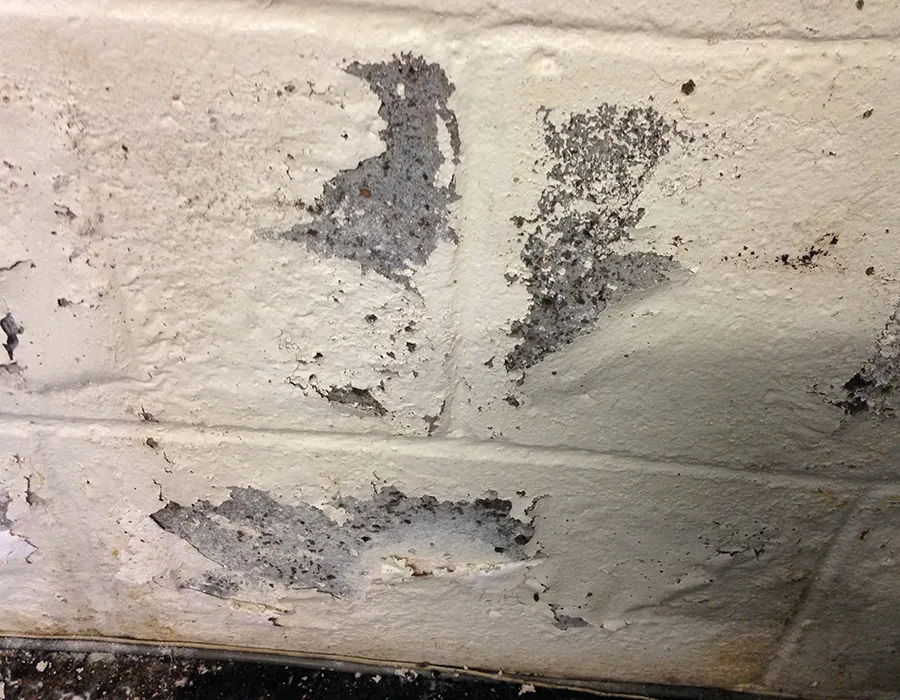
Peeling paint or bubbling render
Paint or render that blisters, flakes or peels away from the wall surface is a classic sign of moisture building up beneath it.
Musty or damp smell
A persistent musty odour — especially in lower-level rooms — often means moisture has been accumulating inside your walls for some time.
Mould growth
Mould on walls, skirting boards or flooring is a health risk and a sure sign of excessive moisture. It won't go away until the underlying cause is fixed.
White salt deposits (efflorescence)
White chalky stains on brick or masonry are caused by water carrying salts through the wall — a sign of active moisture movement.
Water pooling inside after rain
If you're finding puddles or water on your floor after heavy rain, the moisture is entering from outside — and the problem will only get worse.

Damp Walls Get Worse Over Time
A small damp patch today becomes a mould-covered wall next year. Moisture is relentless — it finds every crack, every gap, and every failing seal. Left untreated, the damage compounds:
- Mould spreads into wall cavities, flooring, and furniture
- Structural timber and framing begins to rot
- Paint and render require repeated costly reapplication
- Respiratory health issues increase with prolonged mould exposure
- Property value drops when damp is discovered during inspection
The good news: if the source of the moisture is addressed properly, the damage stops. That's what the Hygro Seepage Control™ system is designed to do.
How We Fix Damp Walls Permanently
Most damp-wall treatments attack the symptom, not the cause. Paints, sealants and internal membranes can help temporarily, but if groundwater is sitting against your walls, it will eventually find a way through.
The Hygro Seepage Control™ patented system works differently — it intercepts the water before it ever reaches your wall. Using precision vacuum excavation, we install the system at the exact point where water enters the ground near your home. The system acts like a sponge, capturing moisture and pumping it away from your property.
The result is a permanently dry wall, with no ongoing maintenance and minimal disruption to your property during installation.
Learn how the system works →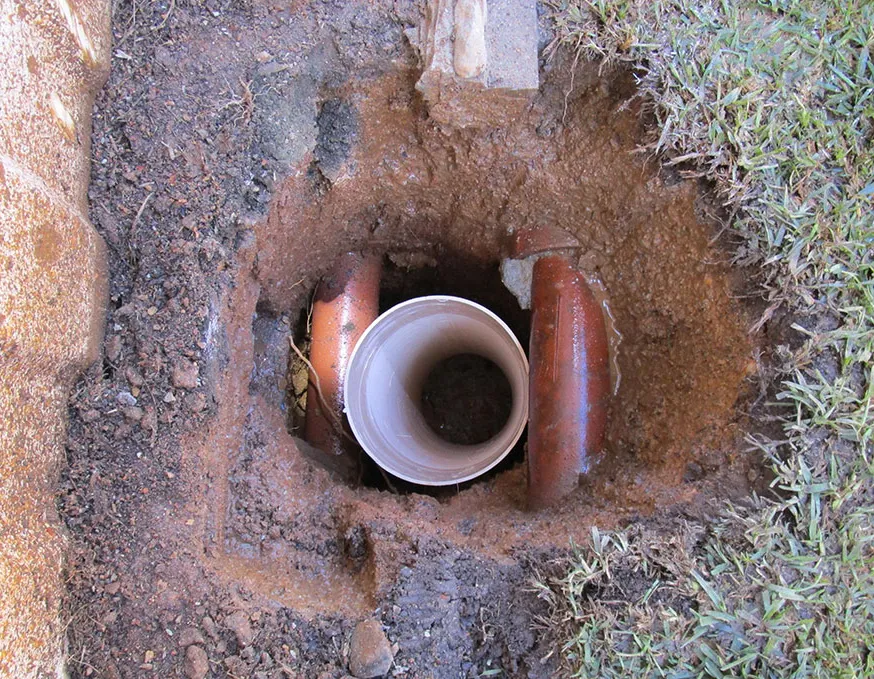
From Damp Walls to Dry Home
 1
1 Free Assessment
Dennis inspects your property, identifies where moisture is entering, and explains exactly what needs to be done — at no cost to you.
 2
2 Precision Installation
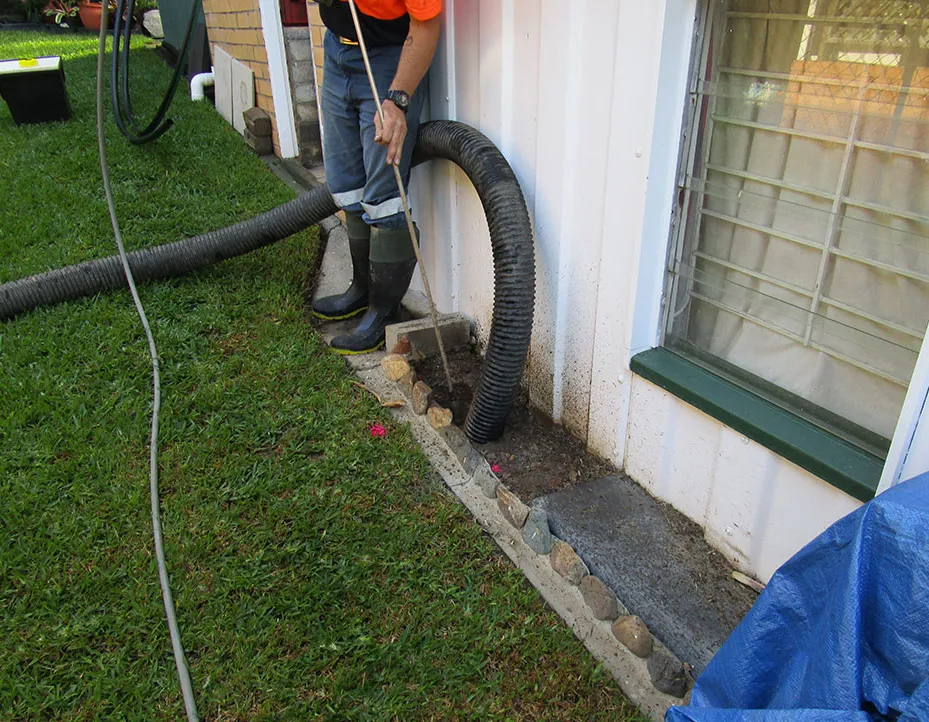
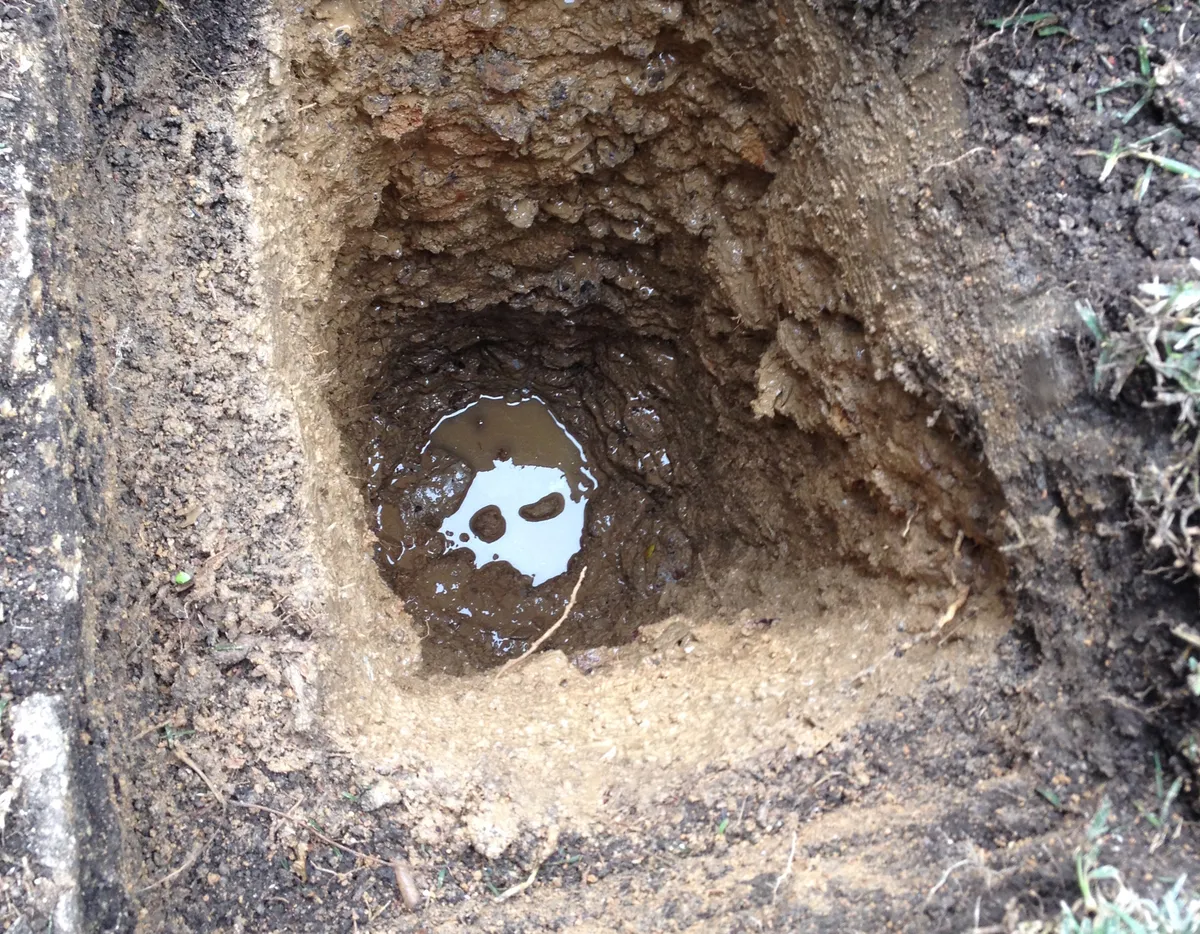
Using vacuum excavation, we place the system at the precise depth where groundwater sits — without damaging existing pipes or utilities.
 3
3 Dry Walls. Clean Site.
Water is pumped away from your home. We leave your property just as we found it — and your walls stay dry from here on.
Damp Walls FAQ
Why are my walls damp even when it hasn't rained?
Damp walls don't always require recent rainfall. Groundwater levels, rising damp from soil moisture, and blocked drainage systems can all keep your walls wet year-round. If you have clay-heavy soil around your home, it holds moisture long after rain has stopped.
Is damp in walls dangerous to health?
Yes. Persistent damp creates ideal conditions for mould growth, which releases spores that can cause or worsen respiratory problems, allergies, and asthma — particularly in children and the elderly. Fixing the moisture source is the only lasting solution.
Will painting over damp walls fix the problem?
No. Damp-proof paint and sealants can slow moisture temporarily, but they do not address the source of the water. If groundwater is sitting against your walls, it will eventually work through any surface treatment. A source-based solution is the only permanent fix.
How long does the installation take?
Most residential installations are completed in a single day. Dennis and his crew work efficiently and leave your property clean and tidy — with no trace that a tradesperson was ever there.
Do you service areas outside of Brisbane?
Yes. Hygro Seepage Control provides Australia-wide service. While many of our jobs are in South East Queensland, we regularly work across regional Queensland, New South Wales, and beyond.
How much does it cost to fix damp walls?
Every property is different. The cost depends on the size of the affected area, depth of the water table, and accessibility. Contact Dennis for a free, no-obligation assessment and quote.
Damp Walls? Let's Fix It for Good.
Call Dennis today for a free, no-obligation assessment of your home.